
The Illusion of Skill in Games of Chance
One of the most widespread misconceptions in the world of casino gambling is the belief that certain games, particularly slot machines, can be mastered through skillful techniques. Many players think that by understanding the mechanics or applying specific strategies related to betting sites , they can manipulate the outcomes in their favor. In truth, the majority of casino games are designed to be based solely on chance, meaning that while a grasp of the rules can enhance the experience, it won’t alter the odds or increase the likelihood of winning.
For instance, slot machines operate using random number generators (RNGs) that guarantee each spin is independent and random. This means that previous outcomes have no bearing on future results. Many players get caught in the trap of chasing losses, convinced that their knowledge or techniques will eventually lead to success. A healthier approach involves embracing the entertainment aspect of these games while acknowledging their randomness, which can lead to a more enjoyable gambling experience without unrealistic expectations.
Moreover, in games like poker, while players can leverage skill and strategy to some extent, the role of luck remains predominant. Experienced players may refine their skills through practice and study, but even the most proficient cannot predict the randomness of card distribution. Thus, it is essential to recognize the limits of skill in the broader context of chance-driven games, reinforcing the idea that while skill may play a part, it cannot guarantee consistent success.
The Fallacy of Hot and Cold Streaks
Another prevalent myth is the belief in hot and cold streaks, where players assume that a machine or table is “due” for a win or loss. This psychological phenomenon leads many gamblers to think they can predict outcomes based on previous results. For example, if a player notices that a slot machine hasn’t paid out for a long time, they may believe it is more likely to hit soon, not understanding how RNGs operate.
This misconception is rooted in a cognitive bias known as the gambler’s fallacy, which may lead players to make irrational betting decisions, such as increasing their wagers in hopes of hitting a big win. Each spin on a slot machine is an independent event, entirely unaffected by previous spins. Recognizing this fact can help players adopt a more rational approach to gambling, ultimately reducing the likelihood of incurring significant financial losses.
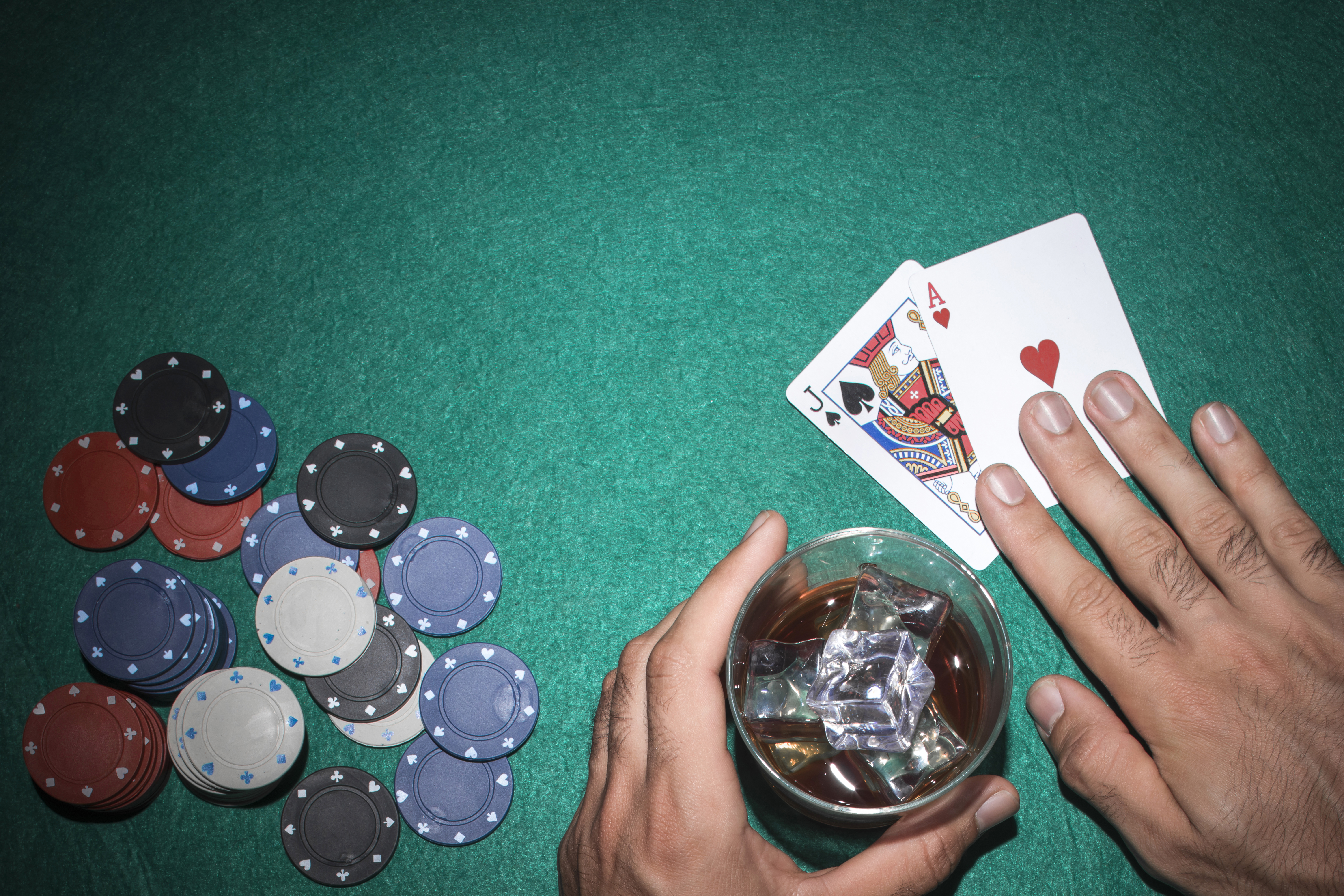
The notion of streaks can also extend to table games like blackjack or roulette, where players might observe betting patterns and erroneously assume they can predict the next outcomes. This belief mirrors the hot and cold myth and can lead to misplaced confidence, resulting in decisions driven by emotion rather than factual probabilities. Understanding the inherently random nature of gambling can help mitigate these biases and provide a grounded perspective on how games truly operate.
The Misconception of Casino Bonuses
Casino bonuses are often seen as an easy way to gain an edge in gambling, but they come with complexities that many players tend to overlook. Newcomers are often enticed by attractive welcome bonuses that promise additional funds or free spins, yet it is critical to understand the terms and conditions associated with these offers. Many bonuses come with wagering requirements that can be challenging to fulfill, effectively limiting the potential for players to cash out winnings derived from bonus funds.
Players should pay close attention to the fine print regarding bonus offers, as not all games contribute equally toward meeting wagering requirements. For instance, while slot machines may count fully, table games might only contribute a fraction or not at all, complicating the path to taking home any winnings. Being aware of these stipulations enables players to make informed choices about which promotions are genuinely advantageous versus those that may lead to disappointment.
Additionally, some players mistakenly believe that utilizing bonuses guarantees extra playing time and improved odds. While bonuses can enhance the gaming experience by providing more opportunities to play, they do not alter the underlying house edge of the games. This critical distinction underscores the importance of recognizing that luck and probability ultimately govern the outcomes rather than any perceived advantages from bonus structures.
The Myth of the “Lucky” Casino
Many gamblers subscribe to the notion of “lucky” casinos, places where the odds seem to favor players more than others. This myth is often reinforced by anecdotal evidence, where individuals share stories of significant wins at particular locations, prompting others to flock to those casinos in search of similar fortune. However, the reality is that all casinos operate under similar legal and regulatory frameworks that dictate payout percentages and house edges.
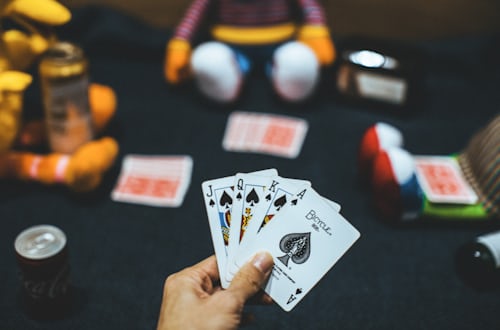
The perception of luck at a casino can often be traced back to selective memory and personal biases. When a player wins at a specific establishment, they may attribute their good fortune to the casino itself, neglecting the numerous times they may have lost at other venues. Each casino’s games are designed with a specific house advantage that statistically guarantees profitability for the establishment over time, regardless of individual experiences.
Furthermore, the atmosphere and design of casinos are crafted to manipulate emotions, creating feelings of excitement and euphoria that can heighten the perception of luck. However, these emotional responses do not influence the statistical probabilities behind the games played. Acknowledging that luck is a random factor rather than a characteristic of any particular casino can help players approach gambling with a clearer mindset, making decisions based on informed judgment rather than misconceptions of luck.
Understanding Responsible Gambling and Resources
In light of the many myths surrounding casino gambling, it is crucial for players to engage in responsible gambling practices and be aware of the resources available to them. Responsible gambling involves understanding personal limits, setting budgets, and recognizing the signs of gambling addiction. Many casinos offer tools to assist players in managing their gameplay, such as self-exclusion programs and budget tracking, which are essential for maintaining a healthy relationship with gambling.
Access to informative resources can significantly benefit gamblers by providing insights into the risks and realities of gaming. Websites dedicated to gambling education offer valuable information about odds, strategies, and responsible gaming practices. Such resources empower individuals, fostering a culture of awareness and caution, ensuring that players approach gambling primarily as a source of entertainment rather than a means of income.
Moreover, having access to support networks can profoundly impact those who may struggle with gambling addiction. Organizations specializing in gambling addiction provide essential guidance and support to those in need. It is crucial for players to prioritize their well-being and seek help when necessary, fostering a safer environment for enjoyable gaming experiences while understanding the importance of responsible gambling.